Copper Scrap in Thailand
Copper Scrap in Thailand: Types, Grades, Uses & Buying Guide
Thailand has quietly become one of the most important copper scrap hubs in Asia. In May 2025, Thailand became China’s top copper scrap supplier by volume, surpassing both the United States and Japan . For international buyers looking for reliable, high-quality copper scrap, Thailand is no longer just an option—it’s a strategic advantage.
This guide breaks down everything you need to know about buying copper scrap from Thailand: the types available, how grades are determined, what the material is used for, and how to navigate the buying process successfully.
Why Thailand Is a Strategic Source for Copper Scrap
Thailand’s rise as a copper scrap powerhouse didn’t happen by accident. Several factors have converged to make the country an ideal sourcing destination:
Geographic advantage. Thailand sits at the center of Southeast Asia, with well-established shipping routes to China, India, and other major consuming markets. Laem Chabang Port handles significant scrap volumes, and exporters have developed efficient logistics networks.
Industrial infrastructure. The Eastern Economic Corridor (EEC), spanning Chonburi, Rayong, and Samut Prakan, hosts numerous recycling facilities and industrial processors. This concentration means material is collected, sorted, and prepared near major ports .
Supply reliability. Thailand generates substantial copper scrap domestically through construction, manufacturing, and infrastructure projects. The country’s automotive and electronics industries produce consistent streams of high-grade copper wire and cable scrap.
Quality standards. Thai scrap exporters have invested in sorting and processing capabilities to meet international specifications, including ISRI codes and Chinese GB standards .
For buyers, this means access to consistent supply, competitive pricing, and material that meets strict quality requirements.
Understanding Copper Scrap Grades: What You’re Actually Buying
Not all copper scrap is created equal. The grade of copper scrap determines its purity, its processing requirements, and ultimately its price. Here’s what international buyers need to know about the grading systems they’ll encounter when sourcing from Thailand.
The Universal Grading Framework: ISRI Codes
The Institute of Scrap Recycling Industries (ISRI) codes are the global standard for scrap classification. Understanding these codes is essential for any copper scrap buyer:
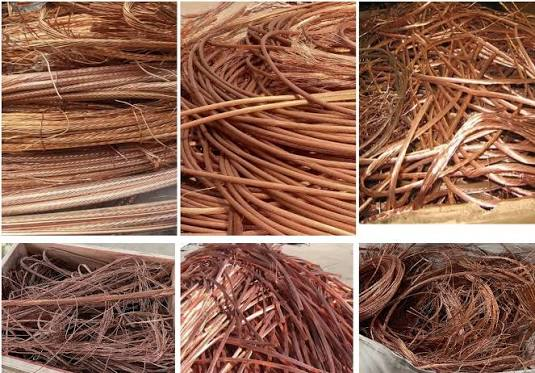
Bare Bright Copper (ISRI Code: Barley/Millberry) — This is the premium grade. It consists of clean, unalloyed, uncoated copper wire, typically no thinner than 16 gauge. The material must be bright and shiny, free from oxidation, paint, or other coatings. Millberry copper scrap typically commands the highest prices because it requires minimal processing before use .
#1 Copper (ISRI Code: Candy/Berry) — High-quality copper that’s clean, unalloyed, and uncoated. This grade includes bus bars, clippings, and wire at least 1/16 inch in diameter. Minor oxidation is acceptable, but the material must be free from solder, paint, and other contaminants. #1 copper typically has a minimum copper content of 99% .
#2 Copper (ISRI Code: Birch/Cliff) — This grade includes copper with some contamination—solder, paint, or light corrosion. The material may appear dirty or discolored. #2 copper must still be unalloyed, but coatings and minor impurities are tolerated. Minimum copper content is typically 94-97% .
Chinese GB Standards: What Asian Buyers Prioritize
Given that China is a major buyer of Thai copper scrap, understanding Chinese grading standards (GB/T 38471-2023) is increasingly important:
RCu-1A (Bare Bright Wire) — Requires minimum 99.7% copper content, with less than 0.3% non-metallic inclusions and less than 0.2% hazardous content. This corresponds to ISRI’s Barley/Millberry grade .
RCu-2A (#1 Copper Materials) — Minimum 99.2% copper content, with less than 0.5% non-metallic inclusions. This is the “candy” grade in ISRI terms .
RCu-1B (#1 Copper Wire) — Minimum 99% copper content, also with strict limits on inclusions and hazardous materials .
RCu-1C and RCu-2B (#2 Copper) — Minimum 97% copper content, with allowances for higher non-metallic and hazardous content .
The Practical Difference for Buyers
| Grade | Copper Content | Visual Appearance | Typical Processing Need |
|---|---|---|---|
| Bare Bright/Millberry | 99.7%+ | Bright, shiny, clean | Minimal—can be directly melted |
| #1 Copper | 99%+ | Clean, some oxidation OK | Light refining |
| #2 Copper | 94-97% | Dirty, coated, or corroded | Significant refining |
The price spread between grades can be substantial. Bare bright copper typically commands the highest premium, while #2 copper trades at a discount to account for processing costs and yield loss.
Types of Copper Scrap Available from Thailand
Beyond the grade classifications, copper scrap comes in different physical forms. Each type has different handling characteristics and end-use applications.
Copper Wire Scrap (Millberry)
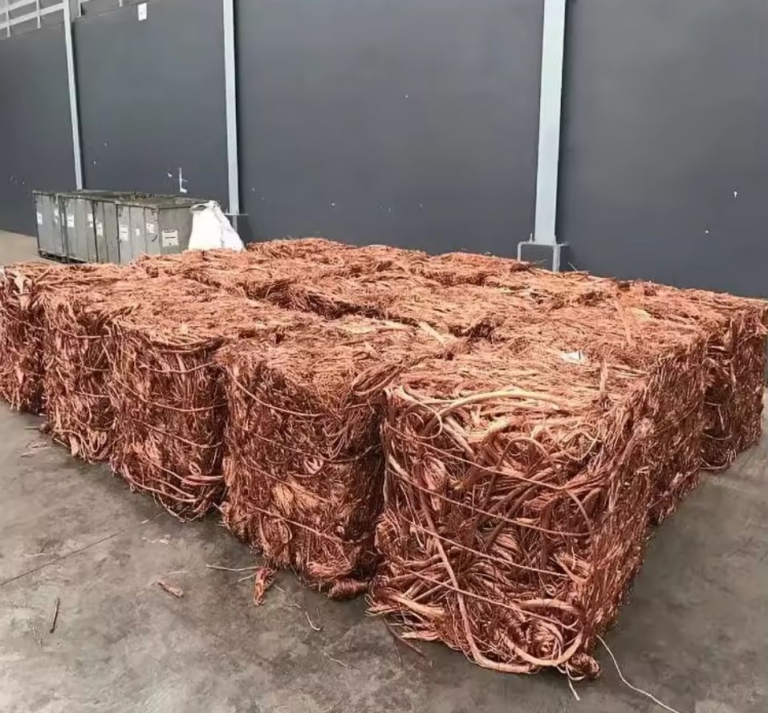
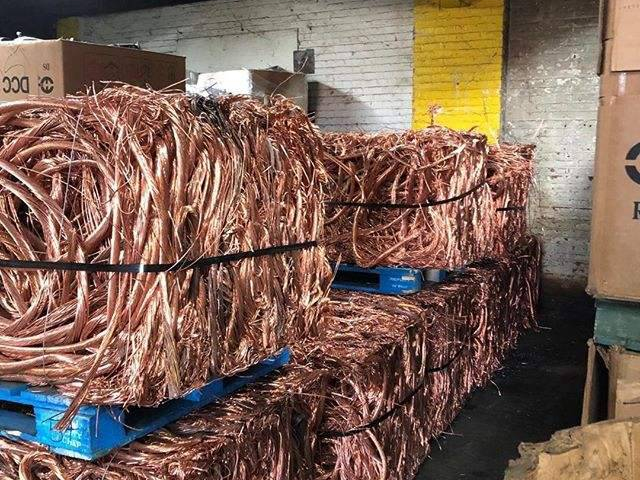
This is the flagship product for most Thai copper scrap exporters, including Thailand Scrap. Millberry consists of clean, bright, unalloyed copper wire—typically from electrical cables that have been stripped of insulation.
Specifications: 99.7-99.99% copper purity, wire diameter typically 1.6mm or larger for premium grades.
Why buyers want it: Millberry copper requires minimal processing. It can be directly charged into furnaces for copper rod production or alloy manufacturing. The high purity means predictable melt yields and low slag generation.
#1 Copper Scrap
This category includes a broader range of clean copper materials:
- Copper bus bars from electrical equipment
- Copper clippings and punchings from manufacturing
- Heavy copper wire that meets diameter requirements
- Clean copper tubing with fittings removed
#1 copper is versatile and suitable for most secondary copper applications.
#2 Copper Scrap
The workhorse grade for many smelters and refiners:
- Copper wire with solder or paint contamination
- Copper tubing with fittings attached
- Light-gauge wire below #1 specifications
- Copper with minor corrosion or oxidation
#2 copper requires more processing but offers cost advantages for facilities equipped to handle it.
Insulated Copper Wire
Some buyers prefer insulated wire, which requires stripping or granulation to recover the copper. Thai suppliers can provide:
- #1 Insulated Wire: Clean, unalloyed copper wire with plastic insulation, 16 gauge or larger
- #2 Insulated Wire: Thinner wire with heavy or double insulation, common in telecommunications and electronics
Buyers who operate cable granulation lines or have stripping capacity can often achieve better economics with insulated wire, though the net copper yield must be carefully calculated.
Copper Tubing and Pipe
Post-industrial and post-consumer copper tubing from plumbing, HVAC, and industrial applications. Clean tubing can qualify as #1 copper if free from fittings and solder; contaminated tubing falls to #2 classification.
What Copper Scrap Is Used For: The End Markets
Understanding where your copper scrap will ultimately go helps you make better purchasing decisions. Copper scrap feeds into several major end markets:
Copper Rod and Wire Production
The largest destination for high-grade copper scrap like Millberry. Scrap is melted and cast into copper rod (8mm or 5mm diameter), which is then drawn into wire for electrical applications. Recycled copper has identical properties to primary copper—there is no performance difference.
Brass and Bronze Manufacturing
Copper scrap serves as feedstock for brass and bronze production. #1 and #2 copper grades are commonly used, often blended with virgin copper and alloying elements to achieve target compositions.
Foundries and Castings
Copper-alloy castings for industrial components, valves, pumps, and marine hardware consume significant volumes of copper scrap. Grades with specific alloy compositions are particularly valuable here.
Copper Chemicals and Compounds
Lower-grade copper scrap can be processed into copper sulfate, copper oxide, and other chemicals used in agriculture, water treatment, and industrial processes.
The Recycling Advantage
Recycling copper saves up to 85% of the energy required to produce copper from ore . This energy advantage, combined with copper’s infinite recyclability, ensures sustained demand for quality scrap materials. Over 70% of all copper ever mined is still in productive use today .
The Business Case for Buying from Thailand Scrap
Thailand Scrap has positioned itself as a leading supplier of copper wire scrap from Thailand, serving international buyers with Grade A Millberry copper at 99.9-99.99% purity. Here’s what sets us apart:
Quality assurance. Every shipment is carefully selected, inspected, and prepared to meet international trading standards. We understand that consistency matters—you need to know exactly what you’re getting with every container.
Competitive pricing. We work to offer fair and competitive prices that reflect current market conditions while delivering value to our buyers.
Reliable logistics. With FOB Thailand shipment options and partnerships with major shipping lines, we handle the export process professionally. We’re familiar with the documentation requirements, including letters of indemnity and container deposit insurance requirements that have been implemented for scrap shipments to and from Thailand .
Global supply capability. We welcome enquiries from buyers worldwide and have experience serving diverse markets including China, India, and other Asian consuming regions.
Commitment to long-term relationships. Our business is built on quality, credit, and excellence. We believe in transparent communication and dependable delivery—not just one-time transactions.
Practical Guide: How to Buy Copper Scrap from Thailand
If you’re considering sourcing copper scrap from Thailand, here’s a step-by-step framework:
Step 1: Define Your Requirements
Before contacting suppliers, clarify:
- Grade needed: Millberry, #1 copper, #2 copper, or insulated wire
- Form: Wire, tubing, bus bar, or mixed
- Volume: Minimum order quantity and regular monthly capacity
- Delivery terms: FOB, CIF, or other Incoterms
- Destination: Which port will receive the material
Step 2: Verify Supplier Credibility
Request:
- Business registration documents
- Export licenses and permits
- Photos or videos of actual inventory
- References from previous international buyers
- Sample shipments for new relationships
Legitimate Thai exporters will readily provide documentation and references.
Step 3: Understand the Specifications
Request a formal specification sheet that includes:
- Grade classification (ISRI code and/or GB standard)
- Copper content percentage
- Maximum allowable contaminants
- Physical form and dimensions
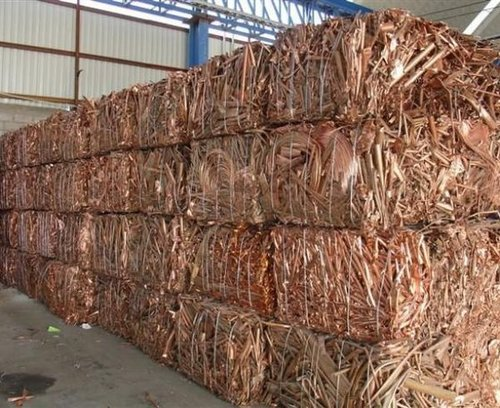
- Packaging method (bales, bundles, etc.)
Step 4: Arrange Inspection
For significant orders, consider:
- Third-party inspection (SGS, Bureau Veritas, or similar)
- Pre-shipment inspection at the supplier’s facility
- Container loading supervision
While adding cost, inspection services protect your investment and provide documentation for customs clearance.
Step 5: Navigate Documentation
Copper scrap exports from Thailand require proper documentation:
- Commercial invoice
- Packing list
- Bill of lading
- Certificate of origin
- Any required export licenses
Note that Thailand has specific requirements for scrap shipments, including letters of indemnity for shipping lines . Experienced exporters like Thailand Scrap handle these requirements routinely.
Step 6: Negotiate Payment Terms
Common payment methods for scrap trading include:
- Letter of Credit (L/C): Provides security for both parties but adds bank costs
- Telegraphic Transfer (T/T): Direct payment, often with deposit before shipment
- Cash Against Documents (CAD): Payment upon presentation of shipping documents
For new relationships, a deposit plus balance against documents is a common compromise.
Step 7: Plan for Logistics
Consider:
- Shipping frequency: How often will you need containers?
- Port selection: Laem Chabang is the primary export hub
- Container type: 20-foot containers are standard for scrap
- Insurance: Marine cargo insurance is essential
Frequently Asked Questions
Q: What is the minimum order quantity for copper scrap from Thailand?
Most exporters, including Thailand Scrap, work with 20-foot container loads as a minimum. This typically means 20-25 metric tons per shipment for copper wire scrap, depending on the form and packaging.
Q: How long does shipping take from Thailand?
Transit times vary by destination:
- China (Shanghai, Guangdong): 5-10 days
- India (Mumbai, Chennai): 7-12 days
- Southeast Asia: 3-7 days
- Europe: 25-35 days
- North America: 30-40 days
Q: Can I get samples before placing a bulk order?
Yes. Responsible suppliers can provide samples for evaluation. Expect to pay for the sample cost and courier charges, but this investment is worthwhile for verifying quality before committing to container volumes.
Q: What are the current copper scrap prices in Thailand?
Thai domestic copper scrap prices provide a useful reference point. “ทองแดงปอกสวย” (beautiful stripped copper, equivalent to Millberry/bare bright) trades in the range of 380-410 Thai Baht per kilogram depending on market conditions . Export prices are typically quoted in USD per metric ton and referenced against LME copper prices with an appropriate discount.
Q: How is copper scrap priced for export?
Export prices are typically structured as:
- LME discount: A percentage discount off the London Metal Exchange copper price
- Fixed price: A negotiated price per metric ton
Most international copper scrap trade uses the LME discount mechanism, with discounts varying by grade, volume, and market conditions.
Q: What documentation do I need to import copper scrap?
Requirements vary by destination country, but typically include:
- Commercial invoice and packing list
- Bill of lading
- Certificate of origin
- Pre-shipment inspection certificate (if required)
- Import license (some countries)
- Environmental compliance documentation (some countries)
Always verify requirements with your customs broker before shipment.
The Bottom Line
Thailand has emerged as a premier source for copper scrap, offering international buyers access to high-quality Millberry copper, #1 and #2 grades, and insulated wire. The country’s strategic location, industrial infrastructure, and export expertise make it an ideal sourcing destination for copper recyclers and manufacturers worldwide.
For buyers seeking a reliable, quality-focused supplier of copper wire scrap from Thailand, Thailand Scrap delivers Grade A Millberry copper at 99.9-99.99% purity with professional export support and competitive pricing.
Whether you’re looking for regular supply, bulk orders, or specific grades of copper scrap, we’re ready to discuss your requirements.