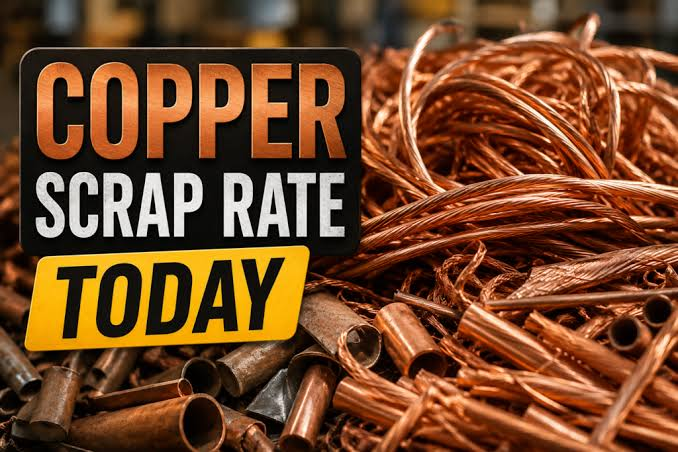
Why Do Scrap Copper Prices Fluctuate
Why Do Scrap Copper Prices Fluctuate? A Complete Guide for Copper Scrap Buyers
As a buyer of copper scrap, you’ve likely noticed that prices can swing significantly from week to week—sometimes even day to day. Understanding why these fluctuations happen is essential for making smart purchasing decisions, timing your orders effectively, and maximizing value for your business.
At Thailand Scraps, we’re committed to transparency and helping our customers understand the market. That’s why we’ve put together this comprehensive guide explaining the key factors that drive copper scrap price volatility. Whether you’re a recycling company, copper manufacturer, or metal trader, this information will help you navigate the market with confidence.
Understanding the Copper Scrap Market
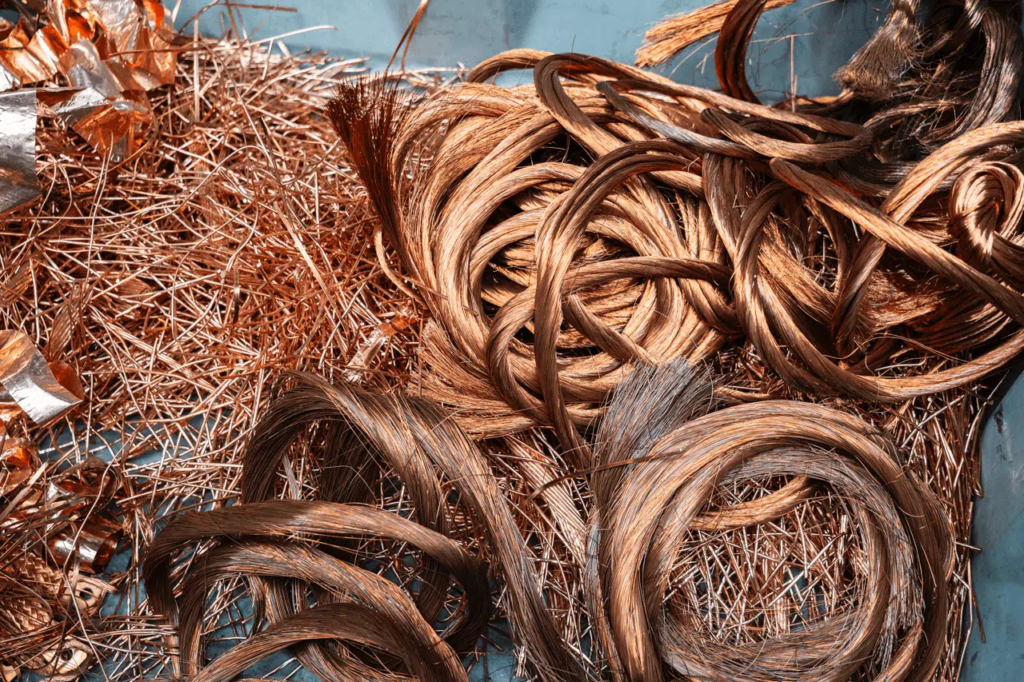
Copper is one of the most actively traded metals in the world, and copper scrap plays a crucial role in the global supply chain. Unlike primary copper produced from mining, scrap copper comes from recycled sources—everything from old electrical wiring to manufacturing offcuts. This secondary copper market operates alongside the primary market, and prices for both are deeply interconnected.
For buyers, copper scrap offers significant advantages: it requires far less energy to process than virgin copper, it helps meet sustainability goals, and it often comes at a more competitive price point than newly mined metal. However, the scrap market is also more susceptible to short-term volatility than the primary market, making it essential to understand what drives these price movements.
The Primary Driver: London Metal Exchange (LME) Prices
The single most important factor influencing copper scrap prices is the London Metal Exchange (LME) copper benchmark price. The LME is the world’s leading marketplace for industrial metals, and its daily copper prices serve as the global reference point for copper pricing everywhere.
As of September 2026, LME three-month copper has been trading near record highs, reaching approximately $14,780 per tonne . This represents a significant increase from historical levels and reflects a combination of tight supply conditions and strong demand fundamentals.
Here’s how the LME price affects scrap copper:
Scrap prices are typically calculated as a percentage of the LME copper price. For premium grades like Millberry copper wire scrap (99.9%+ purity), the discount to LME is relatively small—often in the range of 5-15% depending on market conditions, purity, and location. Lower grades command larger discounts.
When LME copper rises, scrap prices generally follow. When LME copper falls, scrap prices decline—though often with a slight lag as the market adjusts.
Why this matters for buyers: Understanding the LME trend helps you anticipate scrap price movements. If LME copper is climbing, it may be wise to secure your copper scrap requirements sooner rather than later. If prices are falling, you may benefit from waiting—but inventory availability can become tighter in falling markets.
Supply-Side Factors: Why Copper Availability Fluctuates
Mining Production and Global Supply
The global copper supply situation has a profound impact on all copper prices, including scrap. In 2026, the copper market has faced significant supply challenges:
Major mine disruptions have constrained global copper concentrate availability. Notable examples include production issues at Freeport-McMoRan’s Grasberg mine in Indonesia, where Q1 2026 copper production fell to just 43,000 tonnes compared to 134,000 tonnes in the same period last year . The company has revised its full-year copper sales guidance downward by approximately 136,000 tonnes .
In the Democratic Republic of Congo, the Kamoa-Kakula copper mine—one of the world’s most important growth projects—has also seen its production forecasts cut, with 2026 copper anode production now expected at 290,000-330,000 tonnes instead of the previously anticipated 380,000-420,000 tonnes .
The International Copper Study Group (ICSG) has downgraded its 2026 global copper mine production growth forecast from 2.3% to just 1.6%, equivalent to approximately 23.56 million tonnes . This tightening of primary copper supply creates ripple effects throughout the entire copper value chain, including the scrap market.
Smelting and Refining Capacity
Even when copper ore is available, smelting and refining capacity constraints can impact the market. In 2026, the copper industry has faced what analysts describe as a “sulfuric acid famine”—a shortage of the sulfuric acid needed for certain processing routes. This has compounded the supply tightness and contributed to historically low treatment and refining charges (TC/RCs) for copper concentrate, which in turn affects the economics of copper production globally .
For scrap copper buyers, these supply-side challenges mean that competition for high-quality scrap material can intensify when primary copper supply is constrained.
Scrap Collection and Generation Rates
The availability of copper scrap itself is influenced by:
- Industrial activity levels: During periods of high manufacturing activity, more new scrap is generated from fabrication processes. When manufacturing slows, new scrap generation declines.
- Demolition and renovation cycles: Old scrap from building demolition and infrastructure replacement is a major source of copper scrap. Economic conditions that affect construction activity influence these flows.
- Collection infrastructure: In many regions, particularly in emerging economies, inefficient collection systems mean that a significant portion of recoverable copper scrap never reaches formal recycling channels. Estimates suggest that in parts of Africa, Latin America, and Southeast Asia, 30-40% of potentially recoverable Bare Bright-grade material is lost to landfill or informal recycling .
The Circular Economy and Recycling Rates
Interestingly, while recycling rates are improving in developed economies, the overall share of copper demand met by recycled material has remained relatively stable. According to industry data, generation sources for copper scrap are divided approximately 40-50% from industrial and manufacturing scrap (new scrap) and 50-60% from post-consumer and demolition scrap (old scrap) . The ratio is shifting slowly toward old scrap as the installed base of copper-containing equipment and infrastructure ages.
Demand-Side Factors: What’s Driving Copper Consumption
Global Economic Growth and Industrial Production
Copper is often called “Dr. Copper” because its price movements are seen as a barometer of global economic health. When major economies are growing—particularly manufacturing and construction sectors—copper demand rises, pulling scrap prices upward.
In 2026, global economic conditions have presented a mixed picture. While some regions show resilient demand, traditional manufacturing sectors in certain markets are being “systematically squeezed out” by high copper prices, with material substitution accelerating in some applications .
The Green Energy Transition
One of the most significant structural demand drivers for copper is the global transition to renewable energy and electrification. Copper is essential for:
- Electric vehicles: An EV uses approximately 3-4 times more copper than a conventional internal combustion engine vehicle.
- Renewable energy infrastructure: Solar and wind power installations require substantial copper for wiring, transformers, and other components.
- Energy storage systems: Battery storage projects for grid stabilization and renewable energy integration.
- Grid infrastructure upgrades: Modernizing aging electrical grids to accommodate distributed energy resources.
BMI, a unit of Fitch Solutions, has highlighted strong growth in green energy sectors as a key factor expected to boost demand for copper and other industrial metals in 2026 .
AI Data Centers and Digital Infrastructure
The explosive growth of AI and cloud computing has created a new and rapidly expanding source of copper demand. Data centers require massive amounts of copper for power distribution, cooling systems, and networking infrastructure. Some analysts estimate that a single large AI data center can require thousands of tonnes of copper.
This demand source is relatively new and is adding significant upward pressure on copper prices—and by extension, on scrap copper prices.
China’s Role in Global Copper Demand
China is by far the world’s largest consumer of copper, accounting for roughly half of global demand. The country’s property sector—traditionally a major copper consumer—has been weak in recent years, which has weighed on demand . However, this weakness has been partially offset by strong growth in China’s green energy and manufacturing sectors.
For scrap copper buyers, China’s import demand is particularly relevant. China is the largest single importer of copper scrap (all grades), estimated to account for 35-40% of global import volumes . Chinese import policies and demand conditions therefore have an outsized influence on global scrap copper trade flows and pricing.
Regulatory and Trade Policy Factors
Basel Convention and Waste Shipment Regulations
International regulations governing the transboundary movement of copper scrap have become increasingly important in shaping global trade flows and pricing.
The EU’s revised Waste Shipment Regulation (WSR) is expected to have particularly significant impacts. By November 21, 2026, the European Commission is expected to publish the first list of non-OECD countries approved to receive specified categories of non-hazardous EU waste. From May 21, 2027, countries not on this approved list will no longer be permitted to receive relevant EU “green-listed” waste, including copper scrap .
What this means for buyers: If you’re purchasing copper scrap from European sources, you need to be aware of these regulatory changes. Thailand, Vietnam, Malaysia, Indonesia, Singapore, and India have applied for approval status . Buyers should verify that their suppliers are compliant with these evolving regulations.
US Copper Scrap Export Policies
The United States, currently the world’s largest copper scrap exporter, is considering policies that could restrict exports of high-quality copper scrap. US copper policy calls for at least 25% of domestically produced high-quality copper scrap to be sold within the country, and recommends export licensing for such material .
However, the definition of “high-quality copper scrap,” the implementation timeline, and the scope of licensing requirements remain unclear. If implemented broadly, such policies could reduce the availability of US-origin copper scrap in international markets, potentially putting upward pressure on prices for buyers in Asia and Europe.
Southeast Asian Import Regulations
Countries across Southeast Asia are tightening their import standards for copper scrap. These regulations typically focus on:
- Contamination levels: Maximum permissible levels of non-metallic content and other impurities.
- Documentation requirements: Certification of origin, composition reports, and compliance declarations.
- Inspection procedures: Pre-shipment inspection and verification protocols.
These regulations increase compliance costs for cross-border scrap transactions. Industry estimates suggest that regulatory compliance costs—including waste shipment documentation, contamination testing, and customs brokerage—add approximately $15-30 per tonne for cross-border transactions .
Currency Exchange Rate Effects
Copper is traded internationally in US dollars, but buyers and sellers operate in different currency zones. This creates an additional layer of price variability.
For buyers purchasing in currencies other than USD:
When the US dollar strengthens against your local currency, copper scrap becomes more expensive in your currency terms, even if the USD price remains unchanged. Conversely, a weaker dollar makes copper scrap more affordable.
Exchange rate fluctuations can add or subtract several percentage points from your effective purchase costs. In 2026, currency volatility has been a notable factor in global commodity markets, influenced by:
- Interest rate differentials between major central banks
- Geopolitical tensions and safe-haven flows
- Trade policy uncertainty
Energy Costs and Processing Economics
The processing of copper scrap—including sorting, shredding, granulation, and densification—is energy-intensive. Electricity-intensive processing routes are exposed to regional power price volatility .
When energy costs rise, scrap processors’ operating costs increase, which can put upward pressure on the prices they charge for processed scrap material. This factor is particularly relevant for buyers who purchase processed forms of copper scrap (such as chopped wire or briquettes) rather than raw scrap.
The Speculative and Financial Dimension
Copper is not just a physical commodity—it’s also a financial asset traded on futures exchanges around the world. Speculative activity can amplify price movements beyond what physical supply and demand fundamentals would justify.
In 2026, this speculative dimension has become particularly pronounced. Analysts at Natixis have noted that copper prices are being driven by “import arbitrage opportunities to the US and rapid cash inflows, rather than fundamentals and end-user demand,” warning of “the risk of a bubble” .
The COMEX copper contract has seen significant speculative positioning, with the price reaching as high as $8.1045 per pound in June 2026 . This represents a 27.87% increase from the prior year .
For physical scrap buyers, this creates both opportunities and risks:
- Opportunity: When futures markets rally, physical scrap prices may lag, creating temporary buying opportunities.
- Risk: If speculative positions unwind, prices can fall sharply, potentially leaving buyers with overpriced inventory.
Regional Price Variations
Copper scrap prices are not uniform globally. Significant regional variations exist due to:
- Freight and logistics costs: Transportation costs between regions add to delivered prices.
- Regional supply-demand imbalances: Areas with more scrap generation than processing capacity tend to have lower prices; areas with more processing capacity than local scrap supply have higher prices.
- Quality standards and preferences: Different markets have different acceptance standards for contamination and purity.
- Regulatory environments: Regions with stricter environmental regulations may have higher processing costs.
Industry data suggests that delivered Bare Bright prices can vary by $50-120 per tonne between regions and between contract and spot transactions . Volume-based contracts for large wire mill buyers typically secure a 2-5% discount to spot market quotes .
For international buyers, this means that sourcing from the right region can significantly impact your landed costs. Thailand, for example, has emerged as an important copper scrap sourcing hub due to its strategic location, improving collection infrastructure, and export-friendly policies.
Why Buy Premium Copper Scrap from Thailand Scraps?
Now that you understand the factors driving copper scrap price fluctuations, let’s discuss why Thailand Scraps is your ideal partner for copper scrap procurement.
Best Quality Copper Scrap Available
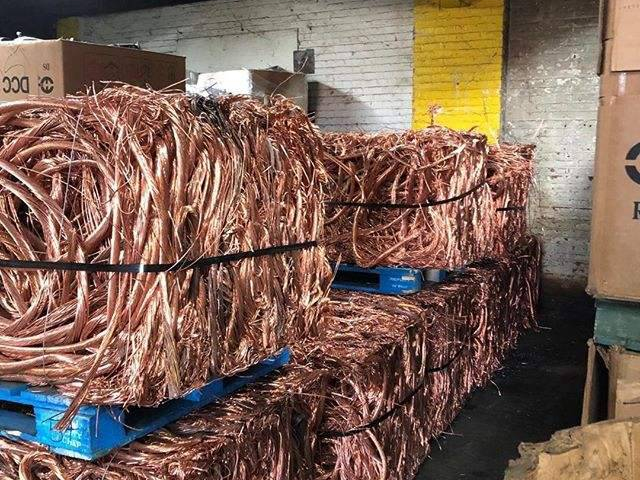
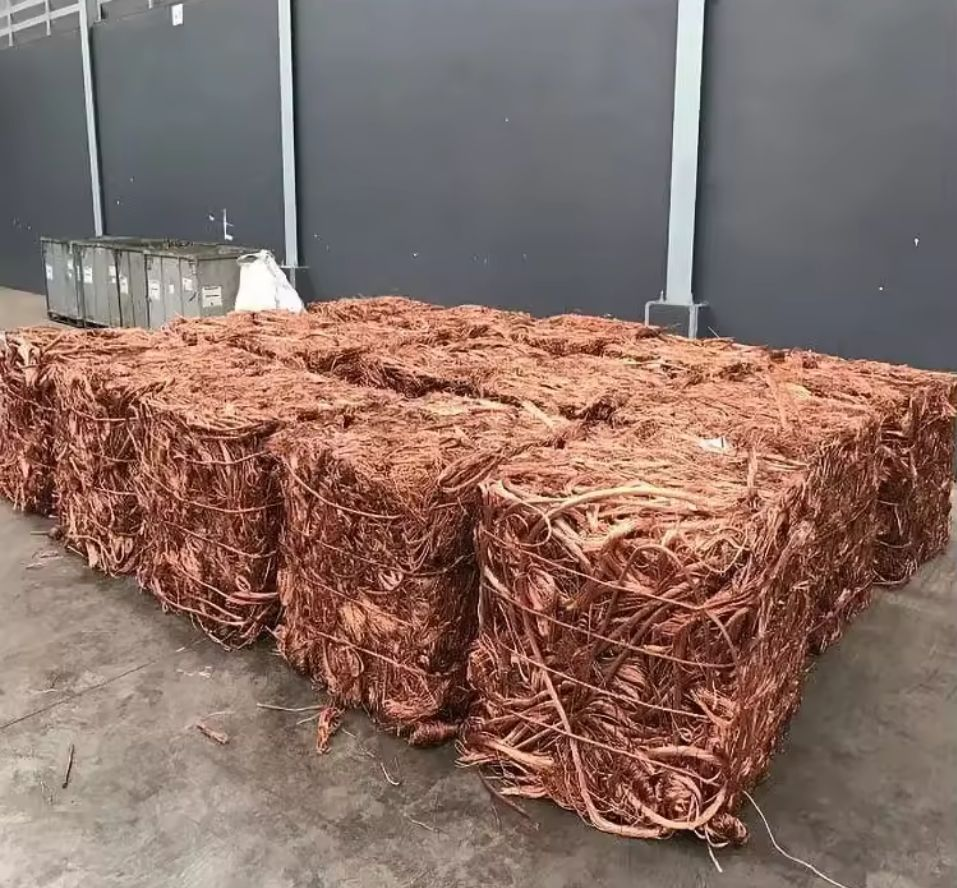
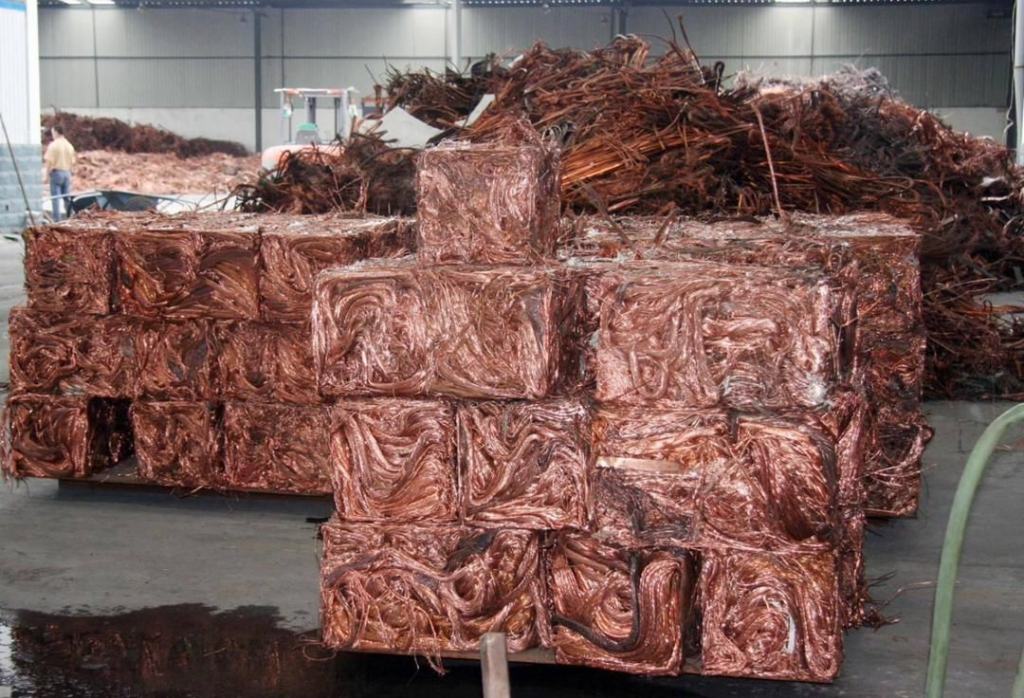
We specialize in Millberry Copper Wire Scrap with 99.9%-99.99% copper purity. Our Millberry copper scrap consists of clean, bright, unalloyed copper wire with excellent conductivity and high copper content. Each shipment is carefully selected, inspected, and prepared to meet international trading standards.
Our copper scrap features:
- Grade A Quality suitable for recycling and manufacturing
- Clean bright bare copper wire with minimal contamination
- Consistent quality backed by rigorous inspection procedures
- Full documentation including certificates of origin and analysis
Fast Shipping from Thailand
Thailand Scraps offers reliable, efficient shipping from our facilities in Thailand to destinations worldwide. We partner with top shipping partners to ensure your copper scrap arrives safely and on time.
Our shipping capabilities include:
- FOB Thailand shipment available for international buyers
- Bulk export supply to meet large-volume requirements
- Professional logistics support throughout the shipping process
- Flexible shipping arrangements tailored to your needs
Competitive Pricing
We work to offer fair and competitive prices that help our clients achieve better value in their purchasing process. By sourcing directly from Thailand’s growing scrap collection infrastructure and maintaining efficient operations, we can offer attractive pricing without compromising on quality.
Why Thailand for Copper Scrap?
Thailand has become an increasingly important source of copper scrap for several reasons:
- Growing industrial base generating increasing volumes of new scrap
- Improving collection and recycling infrastructure
- Strategic location with excellent shipping connections to Asian, European, and American markets
- Favorable export policies for processed scrap materials
- Commitment to quality in scrap processing and preparation
Making Smart Purchasing Decisions in a Volatile Market
Given the complex factors driving copper scrap prices, here are practical recommendations for buyers:
Monitor the LME
The LME copper price is your most important reference point. Track daily LME movements and use them to anticipate scrap price changes. Many industry websites and apps provide real-time LME pricing.
Understand Your Cost Structure
Calculate your total landed cost, including:
- Scrap purchase price
- Freight and logistics
- Import duties and taxes
- Compliance and documentation costs
- Processing costs at your facility
This helps you determine your maximum acceptable purchase price and evaluate supplier quotations accurately.
Consider Contract vs. Spot Purchasing
Long-term contracts with reliable suppliers like Thailand Scraps can provide:
- Price stability and predictability
- Guaranteed supply availability
- Consistent quality and specifications
- Better pricing through volume commitments
Spot purchases offer flexibility but expose you to greater price volatility and potential supply disruptions.
Many buyers use a combination of both approaches, securing a base volume through contracts while using spot purchases for incremental needs.
Verify Supplier Credentials
In a market with significant price volatility, some suppliers may cut corners on quality or engage in questionable practices. When evaluating copper scrap suppliers, verify:
- Track record and reputation in the industry
- Quality certifications and testing capabilities
- Regulatory compliance for export/import
- References from existing customers
- Transparency about material specifications and origins
At Thailand Scraps, we’re proud of our reputation for quality, credit, and excellence. We believe that good business is not only about supplying materials but also about building trust with every client.
Build Supplier Relationships
In volatile markets, relationships matter. A reliable supplier who understands your needs and works with you through market fluctuations is worth more than a marginal price advantage from an unknown source.
Conclusion: Navigating Copper Scrap Price Volatility
Copper scrap prices fluctuate due to a complex interplay of factors: LME benchmark prices, global supply conditions, demand from traditional and emerging sectors, regulatory changes, currency movements, energy costs, and speculative activity. Understanding these factors helps you make more informed purchasing decisions and manage your copper procurement costs more effectively.
The long-term outlook for copper remains positive, driven by electrification, renewable energy, and digital infrastructure. This suggests that copper scrap will remain in high demand and that supply constraints may continue to support prices.
Thailand Scraps is here to be your reliable partner in this dynamic market. We offer:
✓ Premium Millberry Copper Wire Scrap with 99.9%-99.99% purity
✓ Grade A quality for recycling and manufacturing
✓ Bulk export supply from Thailand
✓ FOB Thailand shipment available
✓ Fast, reliable shipping to worldwide destinations
✓ Competitive pricing that delivers value
Whether you’re looking for regular supply, bulk orders, or specific grades of copper scrap, we’re ready to discuss your requirements. Contact us today for specifications, availability, and export quotations.